
Author Archives: mdesservettaz

2025 ACAM Training School and Workshop, Bali, 9-13 June

The 2025 ACAM training school and workshop were held in Bali, Indonesia, with the training school organized on 9-10 June, followed by the ACAM workshop on 11-13 June. The training school was attended by 40 early-career participants (students and postdocs), while over 100 participants attended the workshop. The training school focused on enhancing scientific and technical capacity in the areas of remote sensing of aerosols, clouds, and atmospheric composition, as well as chemistry-climate modeling and inverse modeling of greenhouse gas emissions. In addition to lectures presented by five scientists, the training school participants completed data analysis exercises and group projects, using open-access tools and programming languages, involving satellite data and modeling focusing on Asian atmospheric pollution and regional monsoon climate.

The 3-day workshop represented four cross-cutting themes – (i) Field campaigns, modeling activities or satellite programs in the context of ACAM science, (ii) Aerosols/air quality characterization, aerosol-monsoon-climate interactions and feedbacks, (iii) Trace gas and greenhouse gas emissions – measurements, inventories, satellite observations and (iv) Chemistry-climate interactions and pollution transport to the upper troposphere/lower stratosphere (UTLS). There were 50 contributed talks delivered on these thematic topics, and 60 poster presentations and lightning talks. Altogether, participants represented 17 countries from Asia, Europe, the USA, and Australia, with 50 early-career researchers attending the workshop, thanks to the generous support from both longstanding and new sponsors of ACAM. Field campaigns, modeling activities, satellite observations, and measurement networks have always been integral components of the ACAM science and community. At the 2025 workshop, the modeling working group reviewed the various community modeling efforts at the intersection of composition, Asian monsoon, and reanalysis intercomparison projects. The workshop concluded with a panel discussion reflecting on the past 10 years of ACAM activities and accomplishments, as well as new opportunities and challenges in air pollution, chemistry, and Asian monsoon climate.

New Paper from IGAC-iCACGP ECR SSC Explores Early Career Researcher Challenges and Solutions

We are delighted to announce the publication of a new open-access perspective paper, “A new generation of Early Career Researchers in atmospheric chemistry: Navigating a globalized scientific landscape.

Authored by current and past members of our own IGAC-iCACGP Early Career Researcher Scientific Steering Committee (ECR SSC) , this ‘Practice Bridge’ paper was written for the Elementa: Science of the Anthropocene Special Feature celebrating IGAC’s 35th anniversary.

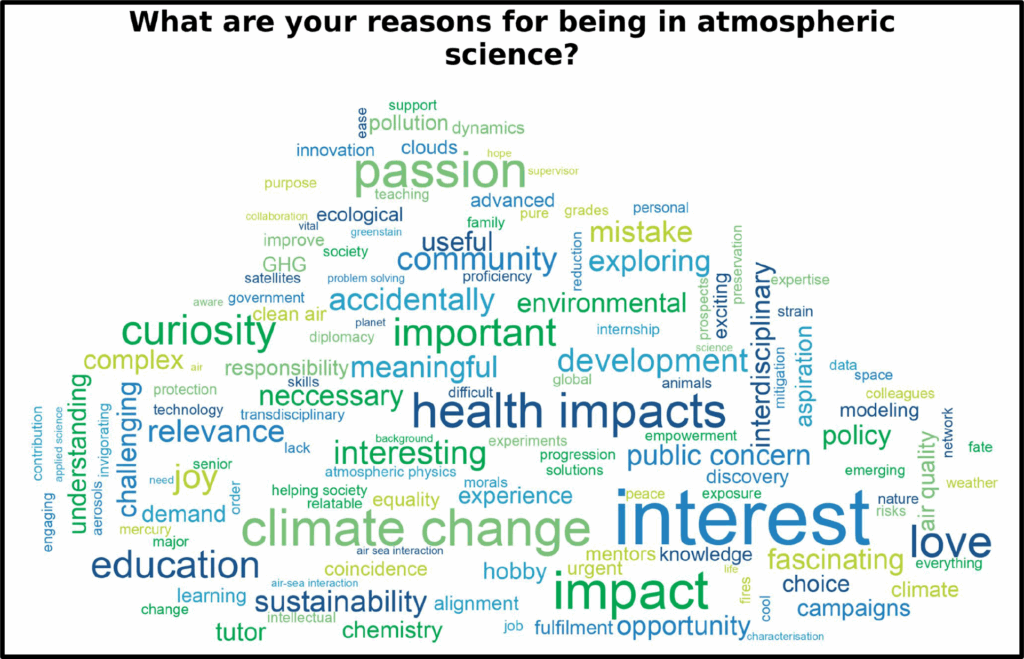
The paper provides a vital snapshot of the contemporary ECR experience. Drawing on quantitative data from a survey of 180 ECRs across 40 countries and the committee’s collective insights, the authors investigate the primary motivations driving ECRs, as well as the multifaceted obstacles they face. Key challenges highlighted include systemic difficulties in securing funding, persistent struggles with work-life balance, and significant uncertainty surrounding long-term career prospects.

The paper also explores the dual impact of globalization, which offers opportunities for collaboration while also presenting challenges like heightened competition and visa restrictions.

Crucially, the authors propose a set of actionable recommendations for the entire community, aimed at fostering a more supportive, inclusive, and sustainable environment for the next generation of atmospheric scientists.

iCACGP is proud to support this ECR-led initiative and encourages all members of our community to read and consider its important findings.

Read the full paper here: https://doi.org/10.1525/elementa.2025.00064

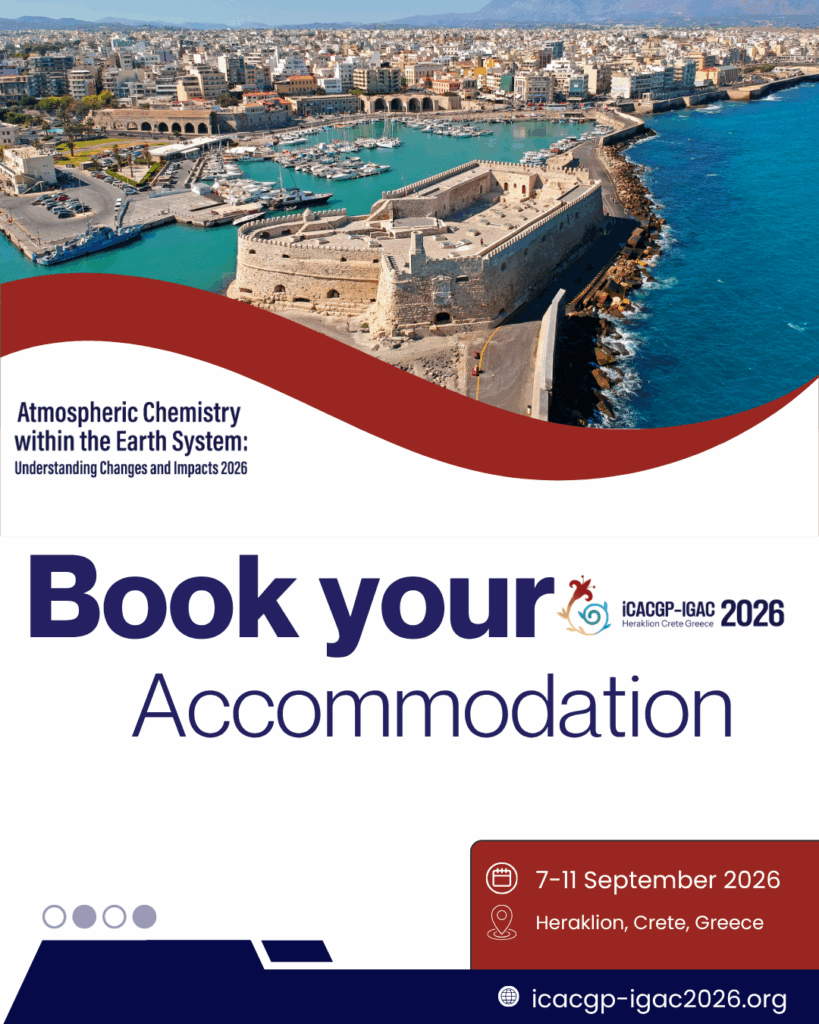
Announcing iCACGP-IGAC 2026: Registration, Abstract Submission & Accommodation Now Open!

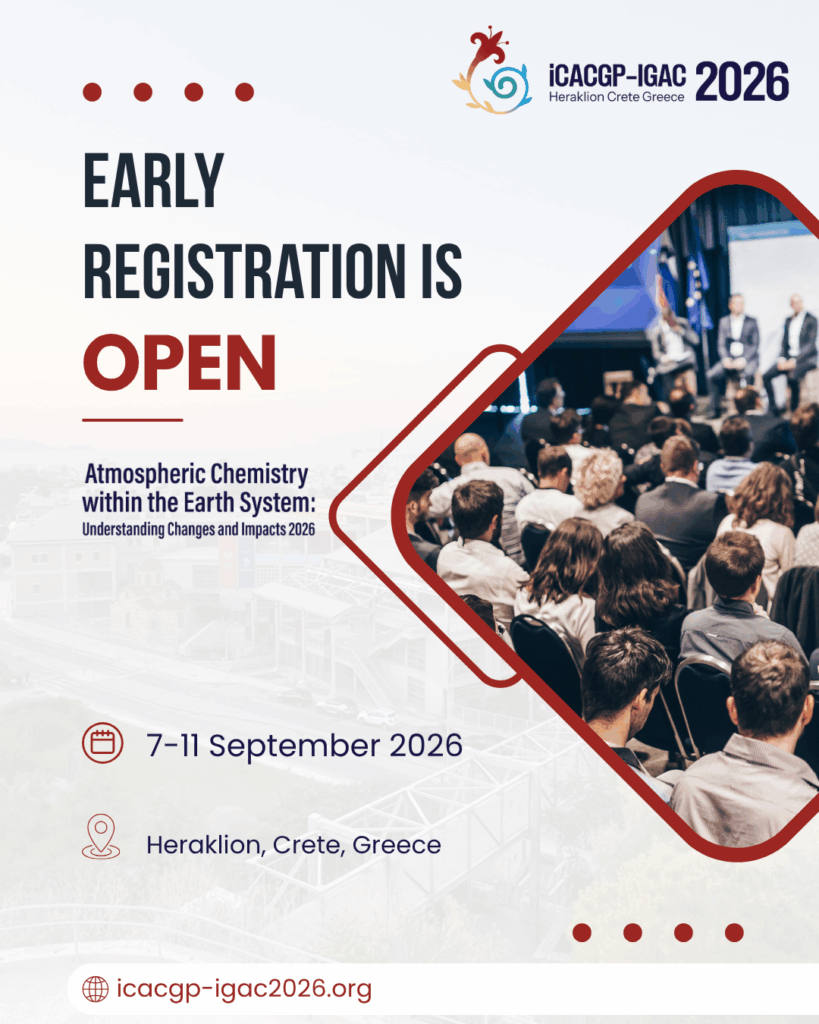
We are delighted to announce several key updates for the 2026 joint iCACGP-IGAC conference, taking place from 7-11 September 2026 in the historic city of Heraklion, Crete, Greece.

This major event, centered on the theme “Atmospheric Chemistry within the Earth System: Understanding Changes and Impacts 2026,” is a premier opportunity for our community to share cutting-edge research and collaborate.

We are excited to officially open the following:

  • Early Registration: Secure your place at the conference. Early registration is now open!
  • Abstract Submission: We invite you to contribute to advancing the field of Atmospheric Chemistry. Submissions for presentations are now being accepted.
  • Accommodation Booking: Plan your trip and book your stay. Recommended accommodation options are now available via the conference website.

For complete details, submission guidelines, and to register, please visit the official conference website.

We look forward to seeing you in Crete for what promises to be an outstanding scientific gathering!

A Global Stage for the Next Generation: The 2nd IGAC-iCACGP ECR Online Conference

By Max Desservettaz, University of Wollongong, Australia – iCACGP member.

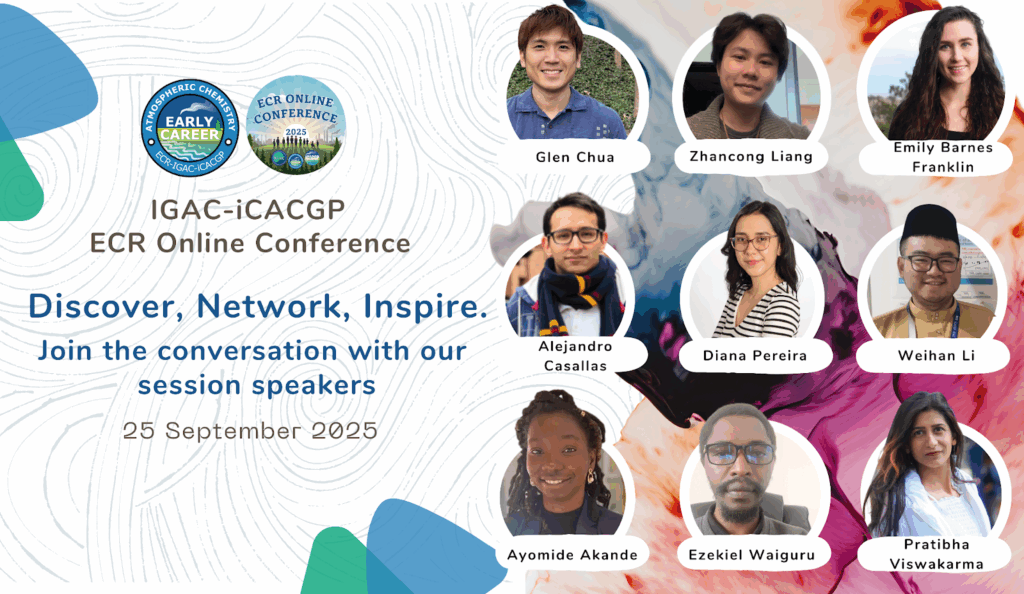
On September 25, 2025, the global atmospheric science community came together for the second IGAC-iCACGP Early Career Researcher (ECR) Online Conference. Building on the success of the inaugural 2023 event, this year’s conference provided a vibrant, accessible, and truly global platform for the next generation of scientists to connect, share their research, and develop new skills. Run continuously over 19 hours and spanning three major regional sessions  (Asia/Oceania, Africa/Europe/Middle East, and the Americas), the conference successfully lowered geographical and financial barriers, welcoming over 750 registered attendees and featuring 208 poster presentations.

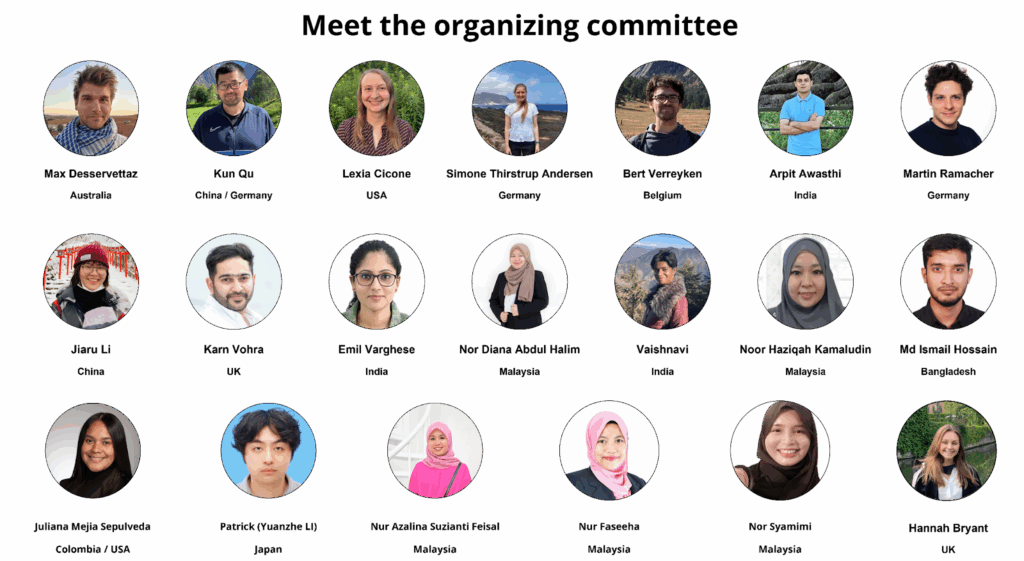
The event was the culmination of nearly a year of planning by a dedicated, diverse, and entirely volunteer-led organizing committee of 22 ECRs from 12 different countries. This global team worked tirelessly across time zones to coordinate everything from fundraising and speaker invitations to social media campaigns and the development of a complex virtual venue. Their collective effort was a testament to the community-driven spirit of IGAC, creating an event built by ECRs, for ECRs.

This collaborative spirit was mirrored by the incredible support from the broader IGAC and iCACGP communities. We are immensely grateful to the mid- and senior-career scientists who volunteered their time to judge posters and participate in our networking sessions, providing invaluable mentorship. Our generous sponsors: the World Meteorological Organization (WMO), the European Space Agency (ESA), Future Earth, the International Association of Meteorology and Atmospheric Sciences (IAMAS), the Copernicus Atmospheric Monitoring Service (AMS-ECMWF), and MDPI & CSIRO publishers provided the crucial funding for the needed licenses to run the event, and for the poster prize – a cornerstone of the event.

Highlights from a 24-Hour Celebration of Science

The conference was a whirlwind of activity, hosted on the interactive Gather Town platform. The virtual venue, complete with a plenary hall, poster rooms, and networking spaces, allowed for both structured sessions and spontaneous interactions.

Each of the three regional blocks featured highlight talks from a total of nine outstanding ECR speakers, who shared cutting-edge research on topics ranging from Arctic sea ice prediction to the atmospheric consequences of Amazon biomass burning. Interactive icebreaker sessions and dedicated networking events connected hundreds of ECRs with peers and senior scientists in lively, small-group discussions.

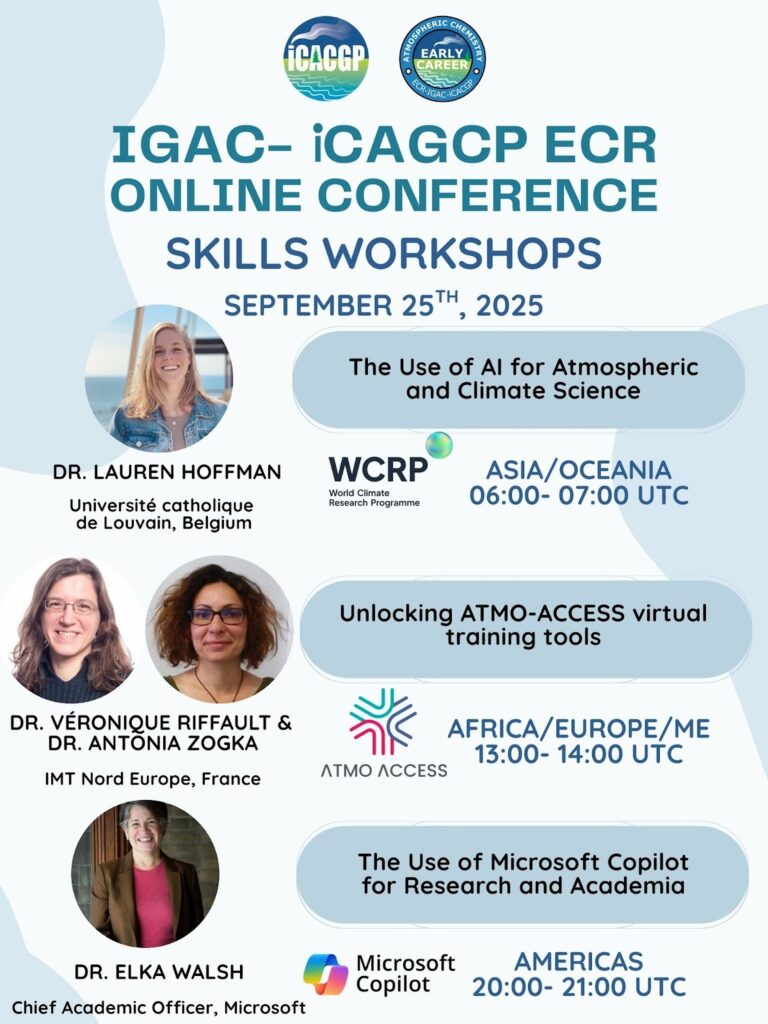
A series of “Skills Workshops,” organized in partnership with the WCRP Academy, ATMO-ACCESS, and Microsoft, provided practical training on crucial topics like the use of AI in climate science, virtual training tools, and leveraging Microsoft Copilot for academic research.

The heart of the conference was the two joint poster sessions, which saw a peak of over 180 attendees simultaneously exploring the virtual poster hall. The quality and breadth of the research on display were truly inspiring.

Announcing the 2025 Poster Prize Winners

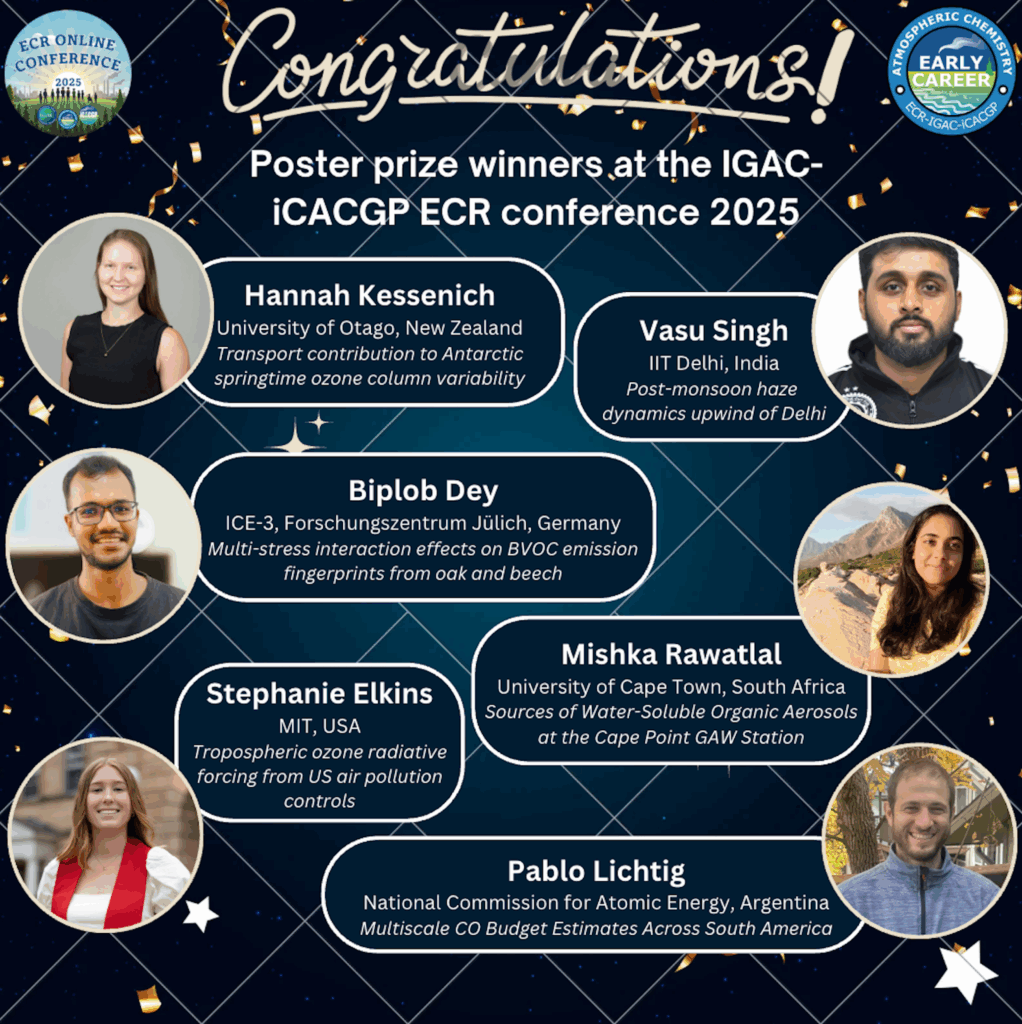
After a rigorous two-stage judging process, we are thrilled to announce the six winners of the Best Poster Prize. Each winner receives full funding to attend the iCACGP-IGAC 2026 Science Conference in Crete, Greece.
Congratulations to:

  • Hannah Kessenich, University of Otago, New Zealand (Also awarded the ESA/Future Earth Prize)
  • Vasu Singh, IIT Delhi, India
  • Biplob Dey, Forschungszentrum Jülich, Germany
  • Mishka Rawatlal, University of Cape Town, South Africa
  • Stephanie Elkins, MIT, USA
  • Pablo Lichtig, National Commission for Atomic Energy, Argentina

A Personal Reflection

As the lead organizer for this conference, this event marks the culmination of a decade-long journey within the IGAC community. I attended my first IGAC conference in 2014 in Natal, Brazil, as a nervous first-year PhD student. That experience opened my eyes to the global and collaborative nature of our field. Four years later, at the 2018 conference in Takamatsu, Japan, I had the opportunity to join the ECR conference program and short course organizing committee, a role that ignited a passion for creating opportunities for my peers. This led to my involvement as co-chair, with Emily Matthews, of the newly established IGAC-iCACGP ECR Scientific Steering Committee from 2023-2024, a position that allowed me to help shape the very ECR community that had supported me, and organize the first ECR conference 2 years ago.

Leading this conference feels like coming full circle. It has been an immense privilege to work alongside such talented and dedicated groups of ECRs to build this platform. As I now “retire” from the ECR community, I am excited to continue supporting the next generation from my new position on the iCACGP commission and through my continued involvement in IGAC activities. I have seen firsthand how this community nurtures its young scientists, and I look forward to contributing to that legacy for years to come.Recordings of the highlight talks and skills workshops are available on the IGAC ECR website: https://www.ecr-igac-icacgp.org/

iCACGP Finalises New Strategic Objectives, Strengthening Commitment to Community, ECRs, and Diversity

The International Commission on Atmospheric Chemistry and Global Pollution (iCACGP) is proud to announce the formalisation of its updated commission objectives. This significant update, the result of over a year and a half of thorough internal consultation, provides a renewed strategic framework to guide the commission’s activities and better serve the global atmospheric science community.

The extensive revision process was expertly led by Prof. Hiroshi Tanimoto, whose dedication was instrumental in navigating the detailed discussions and feedback from across the commission.

The updated framework expands the commission’s focus from three to four primary objectives. The new structure not only refines existing goals but also introduces a crucial new objective dedicated to enhancing diversity and inclusion within the field.

The core objectives of the commission have been updated to be more specific and action-oriented. The first objective, promoting core research, now explicitly includes commitments to organizing biennial conferences with the IGAC Project and dedicated sessions with SOLAS. The second objective, which focuses on promoting international research programs, has been broadened to include “coordinating advocacy” for atmospheric science and “furthering the links” with wider earth system science communities.

A Strengthened Commitment to Early Career Researchers

Support for students and early career researchers (ECRs) has been significantly enhanced under the third objective. While retaining its commitment to facilitating travel support and bestowing the prestigious Paul Crutzen Early Career Award, the new objective embeds ECRs more deeply into the commission’s structure. Key new initiatives include:

  • Promoting direct interactions between early, mid, and late-career scientists at ECR conferences and functions.
  • Ensuring the formal participation of ECR liaisons in all iCACGP meetings and activities, giving the next generation a direct voice in the commission’s governance.

New Objective to Increase Diversity

A landmark change is the introduction of a fourth primary objective:

To increase diversity of perspectives in atmospheric chemistry and global air pollution research. This new objective codifies iCACGP’s commitment to building a more equitable and representative global community. The commission will actively pursue this goal by:

  • Striving for geographic and demographic diversity in its meetings and activities.
  • Nominating members of underrepresented groups and communities from different world regions to serve on other committees.
  • Facilitating scientific activities that require and promote broad geographical representation.

These new objectives provide iCACGP with a clear, robust, and forward-looking mandate. The commission thanks Professor Tanimoto and all members who contributed their time and insight to this vital process.

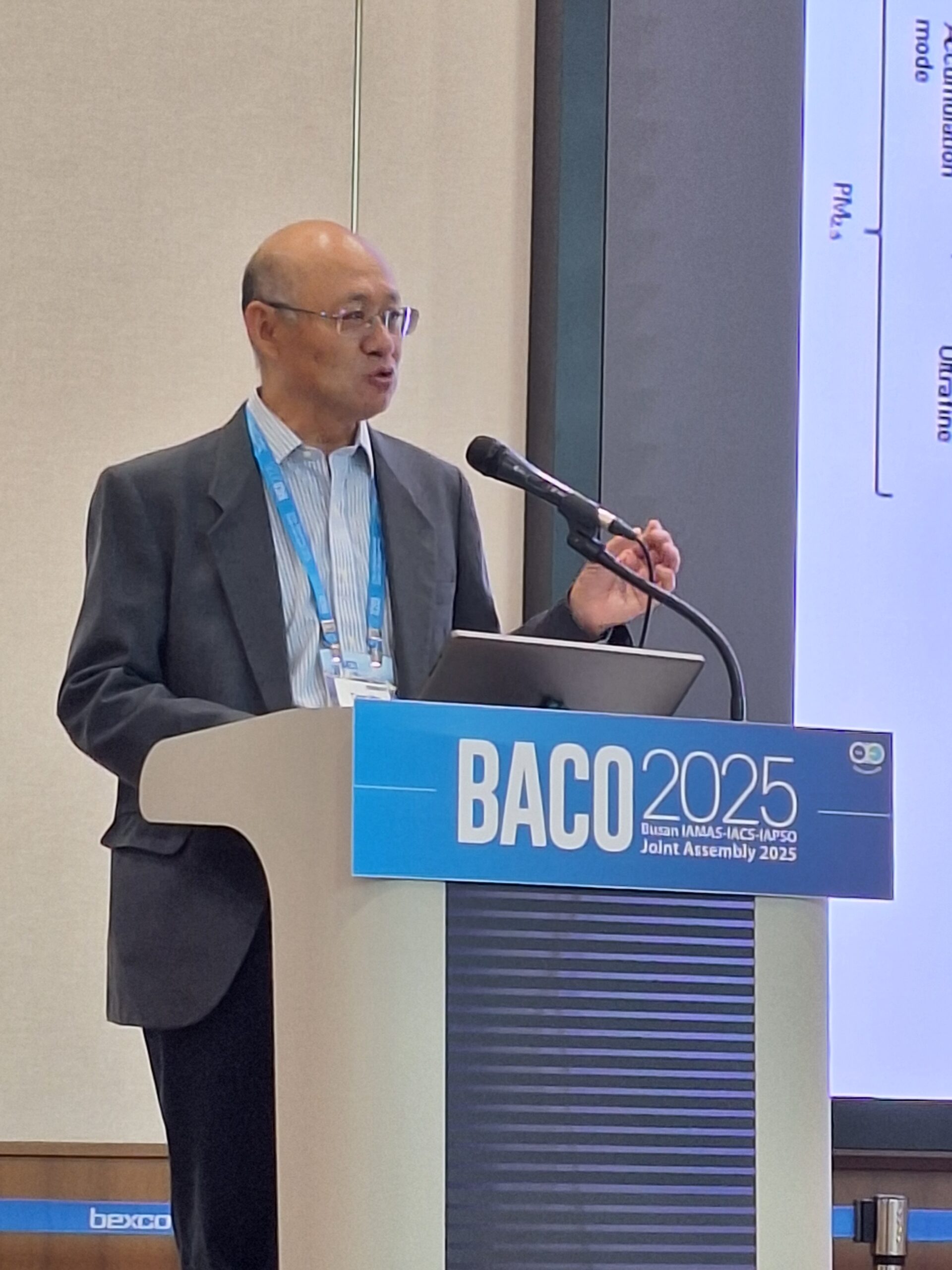
Prof. Tong Zhu Delivers Landmark IAMAS Plenary on the Intertwined Crises of Climate, Air Pollution, and Health

Busan, South Korea

In a compelling keynote address at the BACO 2025 symposium, Professor Tong Zhu of Peking University delivered the main IAMAS plenary talk, providing a comprehensive overview of one of the most urgent challenges of our time: the intersecting health impacts of air pollution and climate change. Representing both iCACGP and IAMAS, Prof. Zhu’s presentation underscored the critical need for integrated scientific approaches to a complex global problem.

The talk, titled “Health Impacts of Air Pollution and Climate Change,” began by framing air pollution as a major global environmental challenge with deep historical roots. Citing foundational research like the Harvard Six Cities Study, Prof. Zhu reminded the audience of the strong evidence linking fine particulate matter (PM2.5) to mortality. He highlighted the World Health Organization’s (WHO) updated Air Quality Guidelines from 2021, which established more stringent targets for pollutants like PM2.5, PM10, and NO2 based on overwhelming new evidence of their health effects.

Professor Zhu then delved into the specific health consequences of air pollution, which impact the entire human life span. He detailed the comprehensive mechanisms through which pollutants cause harm, including systemic inflammation and oxidative stress that lead to cardiovascular and respiratory diseases. A significant portion of the talk focused on the severe impacts on reproduction, with studies showing clear links between PM2.5 exposure and increased risks of pregnancy loss (stillbirth and miscarriage), and adverse birth outcomes across multiple continents. Furthermore, the presentation emphasized that not all particulate matter is equal; components like black carbon (BC) from combustion sources are particularly toxic, contributing disproportionately to mortality.

The plenary pivoted to the amplifying effect of climate change, framing it unequivocally as a “health crisis”. Prof. Zhu pointed to 2024 being the warmest year on record and the UN Secretary-General’s warning of an era of “global boiling” as clear signals of the threat. This warming leads to more extreme weather, creating cascading consequences. A critical example explored was the link between heat, drought, and wildfires, which generate massive plumes of smoke and expose populations to extremely high levels of hazardous air pollution. Studies show that PM2.5 from wildfires has a more potent effect on acute respiratory illness than pollution from other sources. The talk also explored the synergistic effects of compound events, where co-exposure to heatwaves and ozone pollution creates a greater health risk than either stressor alone.

Relevance and a Call for Integrated Action

Prof. Zhu’s talk is of profound relevance to the atmospheric science community. For IAMAS, it perfectly illustrates the association’s core mission by connecting fundamental atmospheric processes to critical societal impacts. For iCACGP, it reinforces the importance of studying atmospheric chemistry and pollution as well as climate change, as the chemical components of the atmosphere have direct and severe consequences for human well-being. For the BACO symposium, which convenes scientists from across atmospheric and oceanic disciplines, the presentation served as a powerful call for the interdisciplinary research needed to address this nexus.

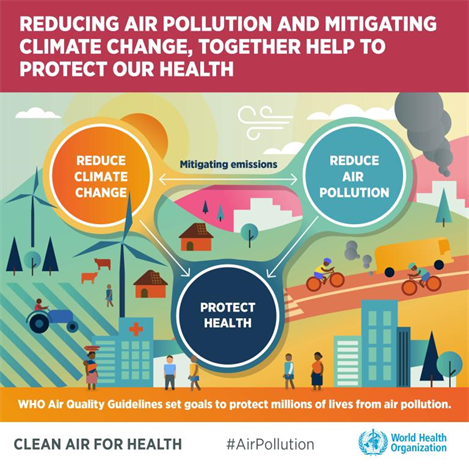
The talk concluded by showcasing frameworks designed to tackle this challenge, such as the WMO Global Atmosphere Watch (GAW) cross-cutting activity known as ARCH (AiR Pollution – Climate Change – Health Effects Nexus), which aims to translate science into services that protect global health.

iCACGP Gathers in Busan for Annual Meeting and BACO 2025 Conference

The International Commission on Atmospheric Chemistry and Global Pollution (iCACGP) held its annual business meeting on July 20, 2025, in Busan, South Korea. The meeting was held at the BEXCO Convention Center just before the start of the BACO 2025 conference.

A significant outcome from the meeting was the finalization of the commission’s revised objectives. These now include a new fourth objective aimed at further highlighting the commission’s support for underrepresented groups within the scientific community. The commission also reviewed the activities of sponsored projects (IGAC, SOLAS, and iLEAPS).

iCACGP commission officers also attended the IAMAS joint Executive Committee and general assembly meeting to provide updates on the commission’s work.

The commission had a strong presence throughout the BACO 2025 conference, where they organized two sessions: 

– M01. Atmospheric Chemistry in the Anthropocene: From the Urban to Global Scales
– M02. Atmospheric Composition and the Asian Monsoon

Highlighting a commitment to interdisciplinary science, iCACGP jointly organized a session with the International Commission on Clouds and Precipitation (ICCP) and a session with the International Association of Cryospheric Sciences (IACS) and the International Association for the Physical Sciences of the Oceans (IAPSO):

– M04. Cloud-Precipitation-Aerosol Studies
– JMCP19 Biogeochemical interactions across the atmosphere-ice-ocean interface.

Ten commission members presented their research across various sessions. Of note, is the IAMAS plenary lecture given by Dr. Tong Zhu entitled, “The Health Impacts of Air Pollution and Climate Change”.

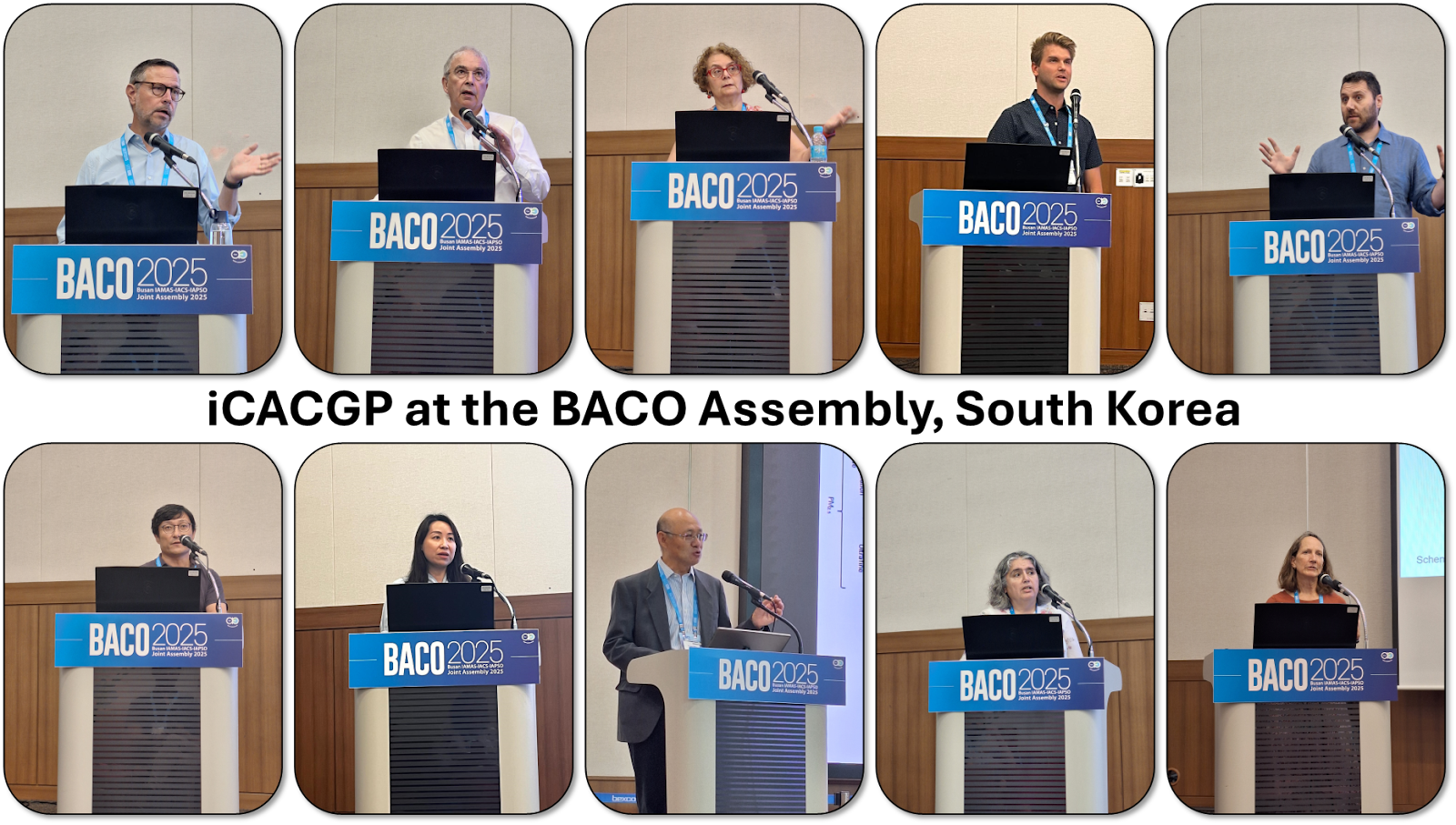
iCACGP members presenting at the BACO 2025 Assembly in Busan, South Korea. (Top row, L-R: Christian George, John Burrows, Maria Kanakidou, Maximilien Desservettaz, Nikos Daskalakis. Bottom row, L-R: Hiroshi Tanimoto, Qi Chen, Tong Zhu, Melita Keywood, Mary Barth).

SOLAS and IGAC sessions at EGU General Assembly 2025

SOLAS and IGAC hosted sessions at the EGU General Assembly 2025 (27 Apr – 2May):
AS2.5: Air-sea Chemical Fluxes: Impacts on Biogeochemistry and Climate 
AS3.30: Transport and air pollution, from real-world emissions to their impacts

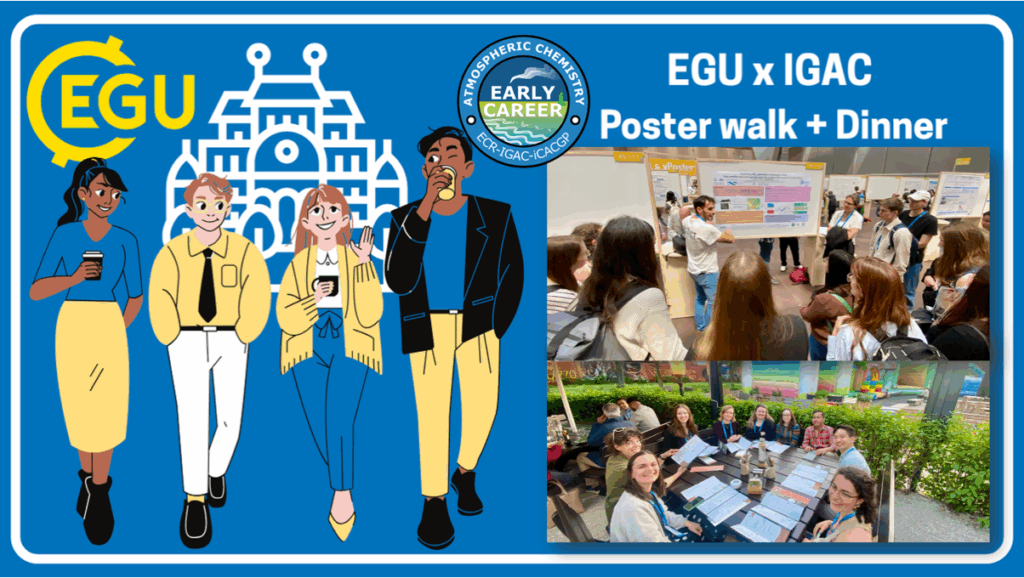
The IGAC-iCACGP Early Career Researcher Poster Walk and Dinner held on the opening day of the EGU 2025 conference in Vienna brought together an international group of 40–50 early career scientists working in atmospheric sciences. Organized by the IGAC-iCACGP ECR Scientific Steering Committee, this evening event served as a welcoming space to meet, connect, and kick off the conference with community and conversation, and to distribute our rare stickers. In this relaxed atmosphere, it was easy to strike up conversations, discover shared interests, and overcome the usual anxiety of walking the poster hall alone. The evening continued with a group dinner at a venue in Vienna’s famous Prater, offering time to deepen connections and chat about everything from career paths to hobbies and favourite sessions.

For us as organizers, it was wonderful to see how quickly and naturally people formed new professional and personal connections. These moments of companionship – whether over posters, beers, or Schnitzel – are at the heart of what makes the IGAC-iCACGP ECR community so special. We are excited to see how these connections continue to grow and look forward to future events that foster the same spirit of inclusion, curiosity, and collaboration in atmospheric sciences.

If you’re planning to attend an upcoming atmospheric science conference and are interested in organizing a similar ECR-focused gathering, feel free to reach out – we’re always happy to support initiatives that bring ECRs together

2025 iCACGP annual meeting in Kuala Lumpur.

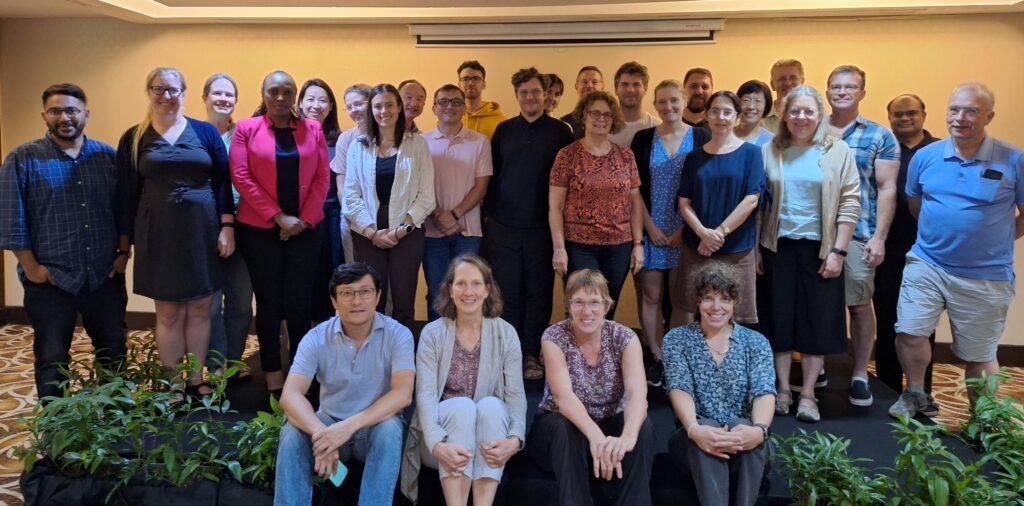
The iCACGP members held their annual business meeting on 8 September 2024 in Kuala Lumpur, Malaysia. The first session was joint with the IGAC SSC during which the group discussed past and future Early Career Research activities with members of the IGAC/iCACGP ECR SSC as well as IGAC/iCACGP positioning statements, format of future conferences, and the role of long term measurements in atmospheric chemistry research. During the afternoon session, the iCACGP members provided updates on current and future activities in their region and discussed outcomes of and next steps for strategic planning for iCACGP.

Standing, left to right: Karn Vohra, Kerry Pratt, Rebecca Garland, Aderiana Mbandi, Qi Chen, Emily Matthews, Stephanie Schneider, Yugo Kanaya, Nestor Rojas, Bert Verreyken, Martin Ramacher, Lisa Emberson, Christian Geroge, Maria Kanakidou, Max Desservettaz, Simone Andersen, Nikos Daskalakis, Kathryn Emmerson, Liya Yu, Hugh Coe, Louisa Emmons, Owen Cooper, Vinayak Sinha, and John Burrows.
Sitting, left to right: Hiroshi Tanimoto, Mary Barth, Clare Murphy, and Langley Dewitt.

Dr. Georgios Gkatzelis to Receive 2024 Paul J. Crutzen Award

In 2017, the International Commission on Atmospheric Chemistry and Global Pollution (iCACGP) established the Paul J. Crutzen Award for Early Career Scientists as part of its 60th Anniversary celebrations. The 2022 winner will be presented with the award during a ceremony at the 2024 iCACGP-IGAC Joint Conference in Kuala Lumpur (9th-13th September 2024).

Paul J. Crutzen, a Dutch atmospheric chemist, was a pivotal figure in understanding the Earth’s atmosphere, notably his groundbreaking work on ozone formation and decomposition. His research, which earned him the Nobel Prize in Chemistry in 1995, highlighted the impact of human activities on the environment and emphasized the urgent need for global action. The International Commission on Atmospheric Chemistry and Global Pollution (iCACGP) awards the “Paul J. Crutzen Award for Early Career Scientists” in recognition of his legacy. This prize honors outstanding research contributions by early-career scientists in atmospheric sciences, aiming to inspire and support the next generation of researchers in their pursuit of innovative solutions to environmental challenges. It serves as a reminder of Crutzen’s profound impact and encourages the continuation of his work in safeguarding our planet’s future.

Following a selection process that considered scientific excellence, productivity, and the breadth of scientific contribution — as reflected in the nomination and support letters, scientific publications, and their impact on the scientific community — the iCACGP Paul J. Crutzen Award for Early Career Scientists 2024 is awarded to Dr. Georgios Gkatzelis. This recognition is for his contribution to advancing our understanding of the increasing importance of emerging anthropogenic VOC pollution sources.

Georgios Gkatzelis was nominated by Spyros Pandis and strongly endorsed by Andreas Wahner and Carsten Warneke. He completed his Ph.D. at Forschungszentrum Jülich, Germany, and subsequently worked at the forefront of atmospheric science at the University of Colorado, Boulder, and the National Oceanic and Atmospheric Administration (NOAA). After two years as a research scientist in the U.S., Georgios returned to Forschungszentrum Jülich, where he has been a group leader since August 2020.

Throughout his career, Georgios Gkatzelis has demonstrated creativity, determination, and an impressive skill set, coupled with the ability to successfully complete projects. These qualities have enabled him to develop innovative approaches to contemporary scientific problems. In particular, his pioneering work in atmospheric science using advanced mass spectrometry techniques to detect urban pollutants in both gas and particle phases has pushed the atmospheric community in a new direction. His focus on the emerging significance of volatile chemical product (VCP) organic vapor emissions is ground-breaking. Georgios was the first to identify tracer compounds for VCP emissions in ambient air and to quantify their contribution to urban pollution and ozone formation.